


Migraines, TMJ, and More: How SOT Craniopathy Relieves Tension and Pressure
Migraines, TMJ, and More: How SOT Craniopathy Relieves Tension and Pressure
When tension builds in the head, jaw, neck, or face, the source is not always isolated to one area. Migraines, TMJ discomfort, sinus pressure, vertigo, and chronic headaches can all be connected to how the skull, spine, pelvis, and nervous system are functioning together. SOT Craniopathy offers a precise chiropractic approach that focuses on restoring better balance throughout these connected systems.
At California Cranial Institute in Los Gatos, Dr. Thomas Bloink uses advanced S.O.T. and craniopathy techniques to evaluate patterns that may contribute to pressure, pain, and nervous system stress.
What Is SOT Craniopathy?
SOT stands for Sacro-Occipital Technique, a chiropractic method that looks at the relationship between the sacrum, spine, pelvis, cranium, and nervous system. Rather than focusing only on one painful area, SOT evaluates how different parts of the body may be compensating for imbalance.
Craniopathy is a specialized part of this approach that focuses on subtle motion and tension patterns within the skull. When cranial structures are restricted or imbalanced, it may affect surrounding muscles, joints, nerves, and fluid movement. Gentle cranial adjustments are used to help reduce stress and support more normal function.
How Cranial Imbalance Can Contribute To Symptoms
The head, jaw, neck, and upper spine work closely together. When one area is under strain, another may compensate. This is why patients with TMJ issues may also experience headaches, neck tension, facial pressure, or changes in how they feel when moving their head or eyes.
SOT Craniopathy may be considered for patients experiencing:
• Migraines or chronic headaches
• TMJ dysfunction and jaw tension
• Sinus, eye, or facial pressure
• Vertigo, tinnitus, or balance concerns
• Neck tension connected to cranial or jaw stress
These symptoms can have many causes, which is why a detailed evaluation is important before care begins.
Why A Whole-Body Approach Matters
One of the unique parts of SOT is that it does not separate the cranium from the rest of the body. The pelvis, spine, soft tissue, extremities, and cranial structures can all influence one another. If the body is compensating for instability or stress in one area, symptoms may continue until the larger pattern is addressed.
For example, jaw tension may be linked to cranial mechanics, posture, neck strain, or pelvic imbalance. By evaluating these relationships, SOT Craniopathy gives patients in Los Gatos a more comprehensive way to understand symptoms that have not improved with standard approaches.
What To Expect During Care
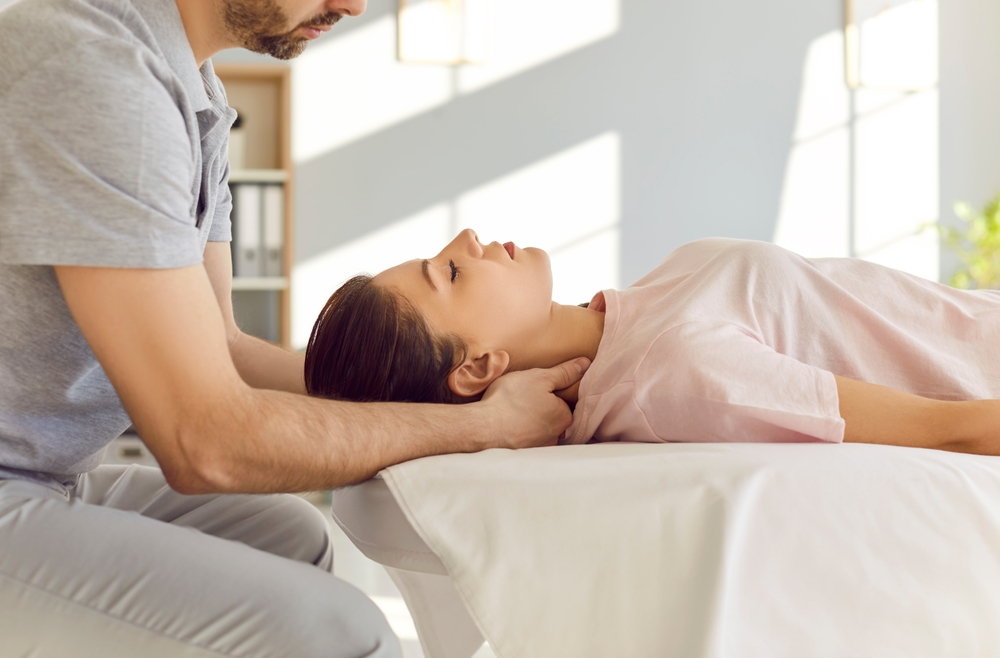
An SOT Craniopathy visit typically begins with a careful assessment of posture, spinal balance, cranial patterns, and areas of tension or restriction. Treatment is gentle and highly specific, using chiropractic and cranial techniques based on the patient’s needs.
The goal is to reduce stress on the nervous system, improve structural balance, and help the body function with less tension and pressure. For patients dealing with migraines, TMJ discomfort, or chronic head and neck symptoms, this approach can offer a more targeted path toward relief.
If you’re experiencing migraines or TMJ discomfort, schedule a consultation at California Cranial Institute to learn more about SOT Craniopathy. Visit our office in Los Gatos, California, or call (408) 395-8006 to book an appointment today.

Services
Learn More
New Patient
Online Form
Contact Us
Monday
8:00 am - 4:00 pm
Tuesday
8:00 am - 4:00 pm
Wednesday
8:00 am - 4:00 pm
Thursday
8:00 am - 4:00 pm
Friday
By Appointment Only
Saturday
Closed
Sunday
Closed
Powered by 