


How Does Cranial Therapy Support Concussion Recovery?
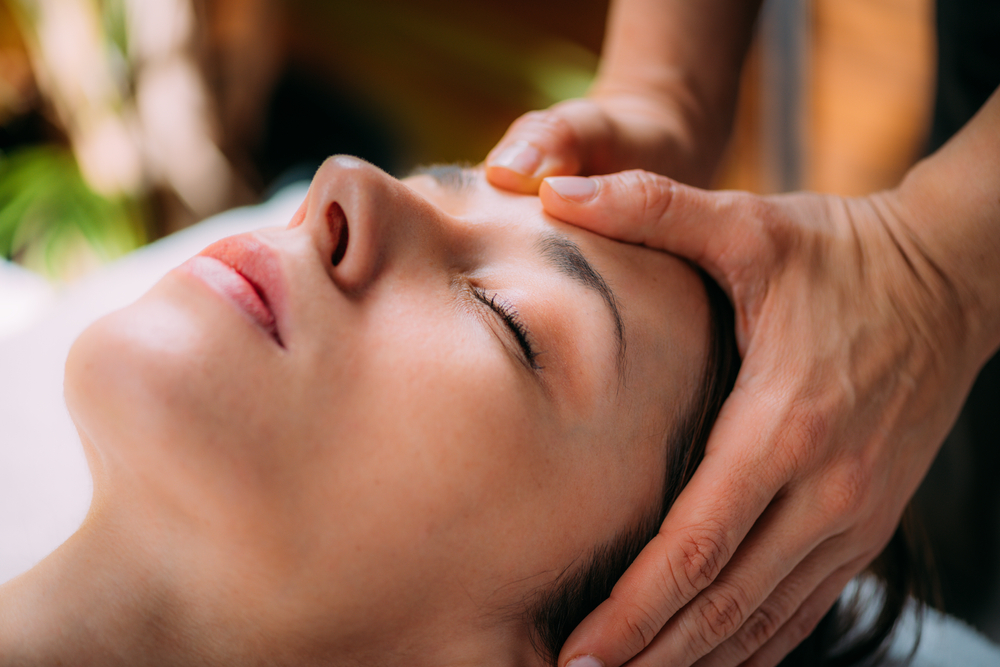
Recovering from a concussion can be frustrating and unpredictable. Even after the initial injury heals, many people continue to experience lingering symptoms such as headaches, dizziness, brain fog, light sensitivity, and difficulty concentrating. Cranial therapy offers a gentle, non-invasive approach that supports the brain’s natural healing process and helps address the underlying causes of these ongoing symptoms.
Understanding What Happens After a Concussion
A concussion can disrupt the delicate balance inside the skull. Following a head injury, subtle shifts and restrictions may develop that place pressure on brain tissues. When this pressure is present, normal movement of blood and cerebrospinal fluid can become impaired. These fluids are essential for delivering oxygen and nutrients to the brain and for removing metabolic waste.
When circulation is altered, the brain may struggle to regulate itself efficiently. This can contribute to persistent symptoms such as fatigue, memory issues, visual disturbances, and emotional changes long after the original injury.
How Cranial Therapy Helps Relieve Brain Stress
Cranial therapy focuses on gently releasing restrictions within the cranial system. By addressing areas of tension and imbalance, this approach aims to reduce stress placed on the brain and surrounding structures.
As pressure patterns normalize, healthy circulation of blood and cerebrospinal fluid can resume. Improved fluid movement supports better oxygen delivery, waste removal, and overall neurological stability. This creates a more supportive environment for the brain to recover and function optimally.
Restoring Healthy Circulation and Communication
One of the key benefits of cranial therapy is its effect on circulation patterns within the head and nervous system. When fluid dynamics improve, the brain is better able to regulate inflammation, manage sensory input, and coordinate complex processes.
Enhanced circulation can also support the body’s ability to adapt and heal, helping reduce symptoms such as headaches, pressure sensations, and cognitive overload that are common during concussion recovery.
Addressing Visual and Auditory Processing Challenges
Concussions frequently affect how the brain processes visual and auditory information. Problems such as blurred vision, light sensitivity, difficulty focusing, ringing in the ears, or trouble following conversations are common.
As part of a comprehensive recovery approach, targeted brain exercises may be used to retrain these systems. These exercises help the brain rebuild accurate communication between sensory pathways, improving coordination, balance, and mental clarity over time.
Take the Next Step at California Cranial Institute
Cranial therapy can play a valuable role in concussion recovery by reducing internal stress on the brain, improving circulation of vital fluids, and addressing processing issues that contribute to lingering symptoms. By supporting the brain’s natural ability to heal and reorganize, this approach offers a pathway toward clearer thinking, improved comfort, and a more complete recovery.
If you or a loved one are struggling with ongoing concussion symptoms, contact California Cranial Institute to schedule a consultation and learn more about cranial therapy and targeted brain-based treatments. Visit our office in Los Gatos, California, or call (408) 395-8006 to book an appointment today.

Services
Learn More
New Patient
Online Form
Contact Us
Monday
8:00 am - 4:00 pm
Tuesday
8:00 am - 4:00 pm
Wednesday
8:00 am - 4:00 pm
Thursday
8:00 am - 4:00 pm
Friday
By Appointment Only
Saturday
Closed
Sunday
Closed
Powered by 